


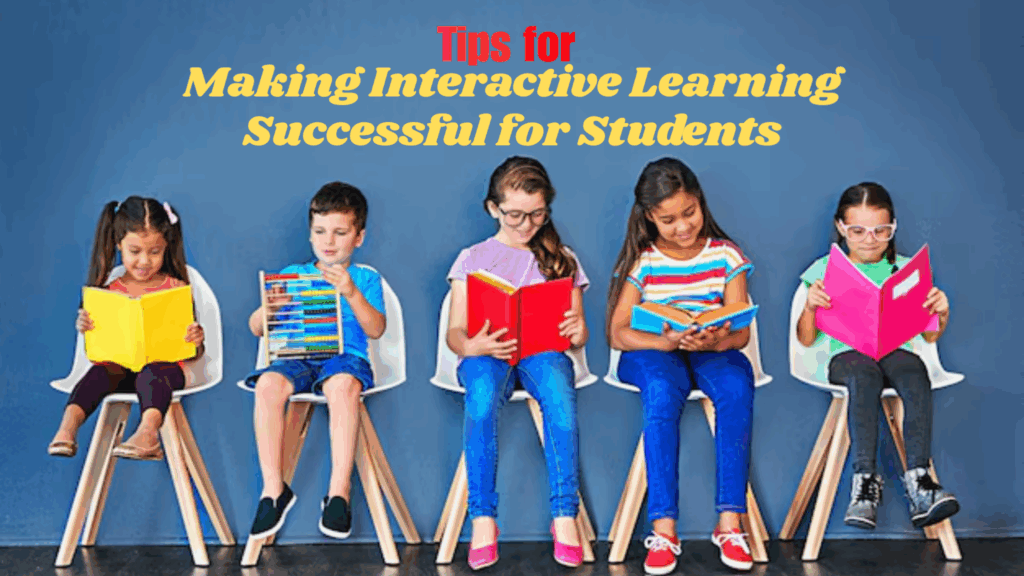
Traditional one-way teaching methods are giving way to more engaged, student-driven approaches in today’s rapidly changing educational landscape. Interactive learning is at the heart of this transformation. It emphasizes participation, collaboration and creativity. Instead of being passive listeners, students become active participants in the learning process, which helps them understand concepts better, retain information longer and develop essential life skills such as teamwork and problem-solving.
Let’s explore how interactive learning can be truly successful for students and how teachers can implement it effectively in classrooms.
1. Encourage Active Participation
Interactive learning is successful when everyone is involved. When students participate whether by asking questions, engaging in discussions, or working on group activities they become more invested in the subject matter.
Teachers can encourage active participation by:
- Asking open-ended questions during lessons.
- Promoting classroom debates or brainstorming sessions.
- Allowing students to lead short presentations or discussions.
2. Integrate Technology in Learning
Technology plays a huge role in modern education. Smart boards, tablets and online platforms like Google Classroom or Kahoot make learning more fun and dynamic. Interactive tools help teachers explain complex topics in a simpler and more visual way.
Some effective ways to use technology for interactive learning include:
- Educational games and quizzes to test understanding.
- Multimedia lessons that combine videos, infographics and animations.
- Online polls and surveys for real-time feedback.
3. Foster Collaboration and Teamwork
Interactive learning thrives when students work together. Group activities and projects encourage cooperation and help students learn from one another. This builds social skills, empathy and responsibility.
Teachers can organize activities like:
- Group projects that solve real-world problems.
- Peer-to-peer teaching sessions.
- Role-playing or simulation exercises.
4. Use Real-Life Examples and Case Studies
Learning becomes more meaningful when students relate lessons to real-life scenarios. Using examples from everyday life or case studies helps bridge the gap between theory and practice.
For example, a science teacher can conduct simple experiments, or a math teacher can explain percentages using shopping discounts. These relatable examples spark curiosity and make abstract ideas easier to understand.
Teachers can also invite guest speakers, organize field trips or use virtual tours to make lessons come alive.
5. Incorporate Gamification
Gamification is one of the most effective strategies to make learning engaging. Turning lessons into games motivates students to participate actively and makes the classroom environment more enjoyable.
Here’s how teachers can use games:
- Create reward systems with badges, stars, or points.
- Design classroom challenges that promote healthy competition.
- Use educational apps with interactive quizzes and puzzles.
6. Provide Constructive Feedback
Feedback is an essential component of interactive learning. It helps students understand their strengths and identify areas for improvement.
Instead of simply grading assignments, teachers should:
- Give personalized comments and suggestions.
- Celebrate small achievements to boost motivation.
- Encourage self-assessment and peer feedback.
7. Create a Supportive Learning Environment
An inclusive and supportive classroom environment is crucial for interactive learning. Students should feel safe to express their opinions without fear of judgment.
Teachers can promote this by:
- Encouraging respect and open-mindedness.
- Recognizing student contribution.
- Managing classroom dynamics positively.
8. Blend Online and Offline Learning
Blended learning combining traditional classroom methods with digital tools offers the best of both worlds. It allows students to learn at their own pace while still benefiting from teacher guidance.
Teachers can share online assignments, videos or discussion forums to continue learning beyond classroom walls. This hybrid approach builds independence and fosters continuous learning.
9. Use Visual Aids and Interactive Content
Visuals play a powerful role in learning. Charts, diagrams, videos and infographics make concepts easier to grasp and remember.
Interactive content such as drag-and-drop exercises, matching games or virtual labs keeps students engaged longer. Visual learning also helps students who struggle with traditional text-based lessons.
10. Promote Critical Thinking and Problem-Solving
Interactive learning is not just about activities, it’s about thinking deeply. Teachers can nurture critical thinking by posing real-world problems and encouraging students to find creative solutions.
Activities like project-based learning, case studies and research assignments help develop analytical and decision-making skills, preparing students for future challenges.
Conclusion
Interactive learning transforms classrooms into dynamic spaces where curiosity and creativity thrive. It encourages students to participate, collaborate and think critically key qualities for success in today’s world.
Educators can make learning not just effective but also enjoyable by combining technology, teamwork and real-life examples. When students actively interact with lessons, they don’t just memorize information they understand, apply and grow with it.
Education is no longer about teaching what to think but inspiring students how to think. With the right strategies, interactive learning can truly empower the next generation of learners to reach their full potential.